Delhi CJP Protest Day 2: 7,000 Detained, Key Updates
The Cockroach Janta Party’s Jantar Mantar protest led to over 7,000 detentions, including Kejriwal and Mamata Banerjee. Here is what happened so far.
Delhi CJP Protest: What Has Happened in the First Two Days

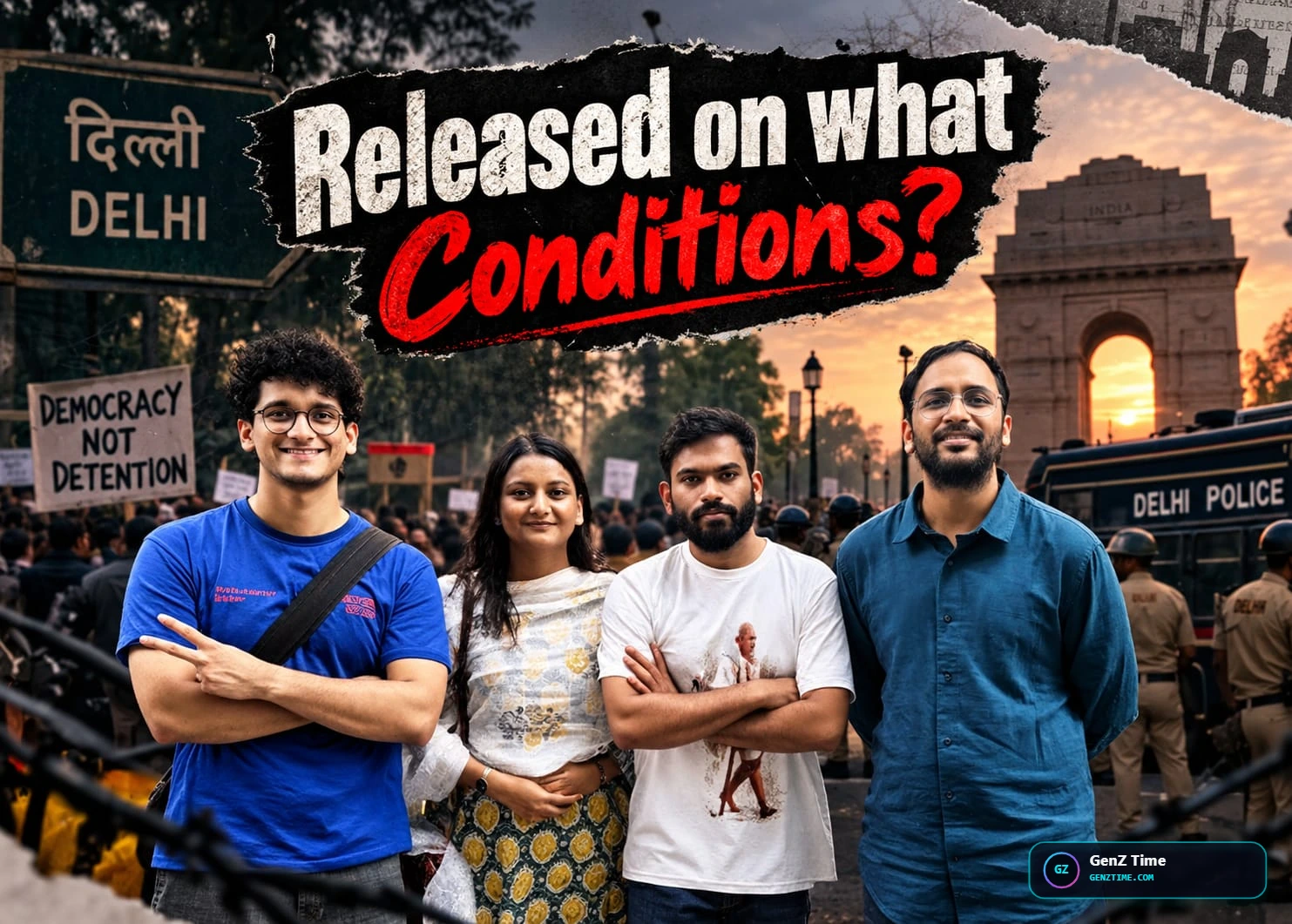
Key Takeaways & Executive Summary
- The Cockroach Janta Party (CJP) called the protest at Jantar Mantar on 10 October to demand the resignation of Chief Election Commissioner Gyanesh Kumar
- Delhi Police said no permission was given for the protest and warned of legal action
- More than 7,000 protesters were detained across Delhi on Saturday and later released, including four former chief ministers
- Arvind Kejriwal, Mamata Banerjee, Pinarayi Vijayan and Manik Sarkar were among the opposition leaders detained.
Delhi CJP Protest: What Has Happened in the First Two Days The protest in Delhi that began on 10 October 2026 has not gone the way most people expected. Two days in, the streets near Jantar Mantar have seen heavy security, mass detentions and sharp political reactions. Here is a simple summary of what we know so far.
Why the Protest Started
The Cockroach Janta Party (CJP) announced a large protest at Jantar Mantar on 10 October. It demanded the resignation of Chief Election Commissioner Gyanesh Kumar, who has been accused of “vote theft”. Delhi Police said no permission had been given and warned of legal action against anyone who took part.
YouTuber Dhruv Rathee Detained
Delhi Police detained YouTuber Dhruv Rathee from his home in Sector 56, Gurugram, on Saturday morning. Reports say he was released around 3:00 AM on Sunday. Police later said he could face further action, including detention, if he breaks any prohibitory order or reaches Jantar Mantar.
CJP Leaders Taken Into Custody
Abhijeet Dipke, Saurav Das and Ashutosh Ranka were also detained on Saturday morning while travelling from Mumbai to Delhi for the protest. According to reports, police detained them after their flight landed at Indira Gandhi International Airport. They were kept in preventive custody for about 24 hours.
A local court in Delhi Cantonment then ordered their release on Sunday, 11 October, with conditions. Each leader had to furnish a surety bond of up to ₹50,000 and promise to maintain peace and good behaviour.
Before his detention, Dipke recorded a video message. The CJP said organisation in-charge Ajinkya Shinde would lead the protest at Jantar Mantar. Ratna Singh, head of legal affairs at the CJP, was also detained near her home and has now been released.
Opposition Leaders Detained
Several INDIA bloc leaders were detained on Saturday as they tried to join the protest. They included former chief ministers Arvind Kejriwal, Mamata Banerjee, Pinarayi Vijayan and Manik Sarkar. All four have since been released. tribuneindia
Over 7,000 People Detained
Police have released more than 7,000 protesters who were detained across the capital on Saturday. Police say the detentions were made at Jantar Mantar and nearby areas to stop crowds from gathering. Barricades, extra security forces and travel checks were seen in many parts of the city.
What to Watch Next
The CJP says the protest will continue, with or without its top leaders. Police have warned that further action is possible if orders are broken. Whether the protest grows or fades will depend on how the CJP, the opposition and the police act in the coming days.
Final Thoughts
Mass detentions, the arrest of well-known names and the release of most people within a day have made this one of the most talked-about protests in Delhi this year. Readers should rely on official statements and trusted news outlets, as many unverified claims are spreading on social media.
Lab Pros & Cons Verdict
The Good / Advantages
- The protest brought the issue of electoral roll concerns into national discussion.
- Student groups, activists and opposition parties came onto one platform.
- Peaceful protest is a basic way for citizens to voice concerns.
- Public demands can push authorities to respond to questions.
The Bad / Drawbacks
- Road closures, barricades and heavy security affect commuters and local residents.
- Protesters risk detention, surety bonds and possible legal action.
- Large crowds and strict policing can lead to tension.
Frequently Asked Questions
Who is organising the protest?
The Cockroach Janta Party (CJP), founded by Abhijeet Dipke. Opposition parties and student groups have also joined in.
Why are people protesting in Delhi?
The protesters demand the resignation of Chief Election Commissioner Gyanesh Kumar over alleged irregularities in the electoral rolls. These are allegations, not proven findings.
Why did Delhi Police detain so many people?
Police said they had not given permission for the protest. They detained people to stop crowds from gathering near Jantar Mantar and to prevent clashes.
References & Verified Sources
Experience • Expertise • Authoritativeness • Trustworthiness
Sahil
Hardware VerifiedFounder & Lead Hardware Editor
Lead hardware reviewer and founder at GenZ Time. Rigorously testing smartphones, silicon benchmarks, gaming gear, and AI hardware with real hands-on lab data.
Community Discussion & Tech Feedback
2 CommentsSpot on with the thermal analysis! Great to see a review that actually measures the wattage under sustained 4K rendering load instead of just repeating press release numbers.
How does the battery drain behave during continuous 5G tethering? Wondering if this makes a difference for daily mobile workflows.
More Related Gadget Reviews
Browse All →
Delhi Protest Today: Dhruv Rathee Detained Over CEC Row
Delhi on High Alert as Protest Against CEC Gyanesh Kumar Begins
Sahil
CJP Protest Against CEC Gyanesh Kumar: Latest Updates
CJP Protests Against CEC Gyanesh Kumar: What We Know So Far
Sahil
CJP Protest Explained: Why Abhijeet Dipke Faces Backlash
Why Is the Cockroach Janta Party Facing Protests? The Abhijeet Dipke Controversy Explained
Sahil